
After-action Report
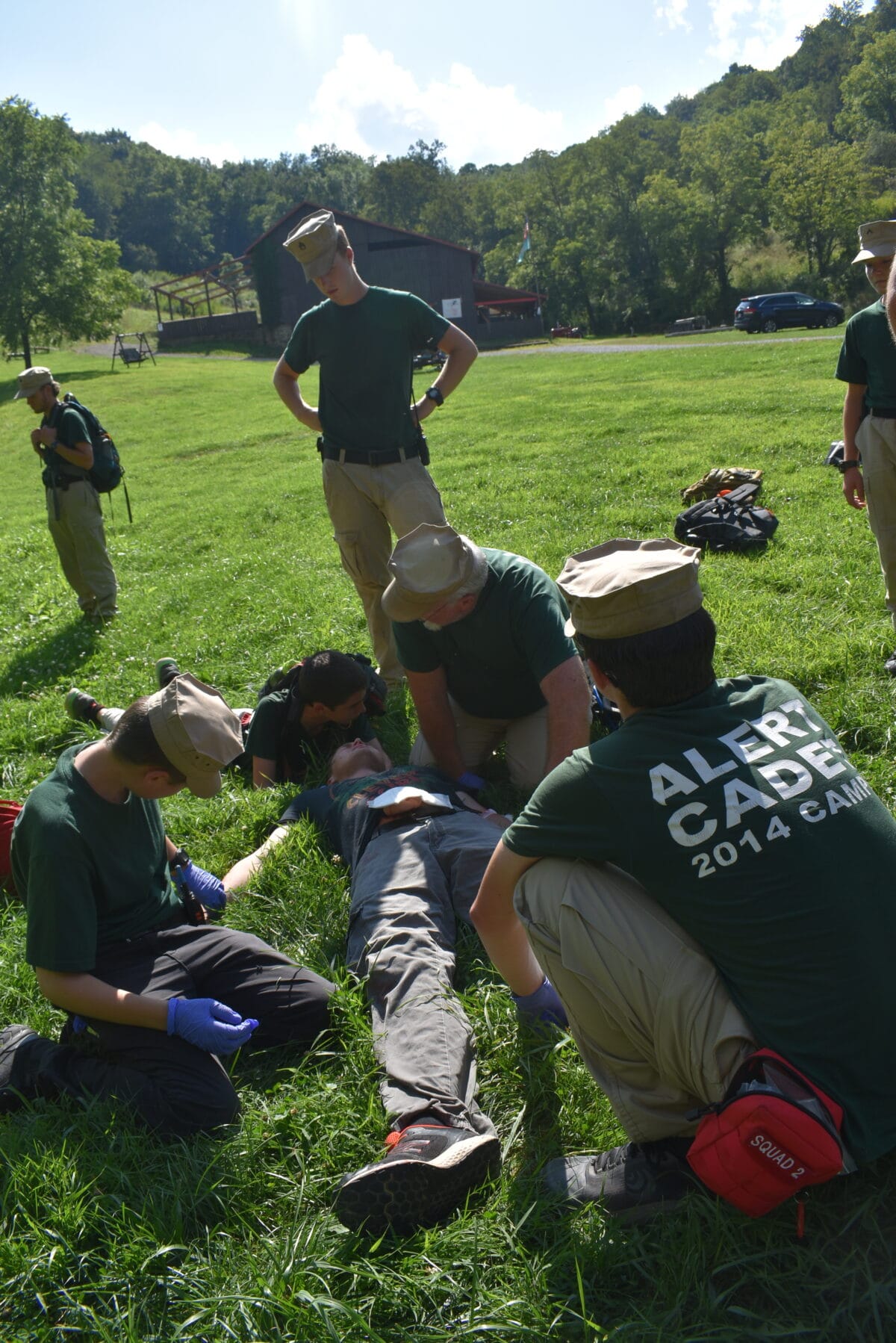
The Cadre again raised the bar as to what was required in order to respond successfully to the scenarios that were sandwiched between instructional times. The six fathers and eight sons of the Platoon met each challenge, partly due to their commitment to team success — rather than personal accomplishment.
For each training exercise that was presented, an Incident Commander was announced at the beginning of the response. This son was responsible for directing the entire Platoon until the Cadre ended the scenario. If you want the details as to the crises to which the Platoon responded, you will have to come to the next Crisis Response Training LTC Camp.
Long days of digesting information and responding to multiple “emergencies” made for a stage that required endurance and “cool heads.” Each day the Cadre chose new Squad Leaders to shepherd the two Squads through all the demands of the day.
Stronger communication became a theme for the week as the Platoon realized gaps in the effectiveness of their response. Taking time to gather facts and plan was also important for conducting searches and providing medical care.
“All in!” was our camp motto, reflecting the character quality of dependability. The parable of the Good Samaritan speaks of his ability to meet the needs of the injured because he was prepared with medical supplies, the skill to use them, and the desire to care for his “neighbor.”
The extravagant love expressed to Jesus by Mary with her oil also speaks of being all in. We are challenged to hold nothing back as we follow Jesus in meeting the needs of others.
One of the highlights of our daily devotions/briefings is the concept, especially recognized in sports like American football, of playing to the space. Just like a running back does not focus on the defenders in his way but rather looks to the space being created by his linemen, so we are not to be distracted in crisis by what we are prohibited from doing (due to lack of skill, credentials, or resources) but rather we are to concentrate on what we can do and then do that with all our might. We also made application of this principle for the home: children not pushing back from parental limitations but rather pursuing the opportunities within the imposed parameters.
Having a strategy for using limited time and limited manpower to find and rescue a lost person has been a growing subject of CRT, which has parallels to our quest for “rescuing the perishing.” In our day, being ready, willing, and able to assist those in physical and/or emotional crisis will create opportunities to speak the Gospel into the lives of those reeling from personal catastrophe.
Having eight men in our Cadre made possible larger “emergencies” with more “victims,” which required the Platoon to carefully delegate responsibility and prioritize treatment. Our Logistics members of the Cadre were also outstanding in providing the Company with timely meals.
This was the first ALERT Cadet camp for one father and son team, the first LTC camp for two more sons, and the first Crisis Response Training Camp for seven members of the Platoon. Each member of the Company (Platoon and Cadre combined) went home with the LTC Camp Participation Award and the Crisis Response Training Award, having met the requirements of rising to the challenge of leadership opportunities and advancing skills in wilderness first aid, search and rescue, map and compass, radio communication, chainsaw safety, critical thinking, situational awareness, and serving under an incident command system. We were 22 strong. Strong to overcome!
Lt. Col. Doug Dagarin
Camp Commander

0 Comments